
Paint and refinishing
Auto Painting & Refinishing in Parker, Matched With Patience
A good refinish should be impossible to find. That takes testing, careful masking and time to let each coat settle.
Discuss your car's finish with us — (000) 000-0000Paint Work Without Shortcuts
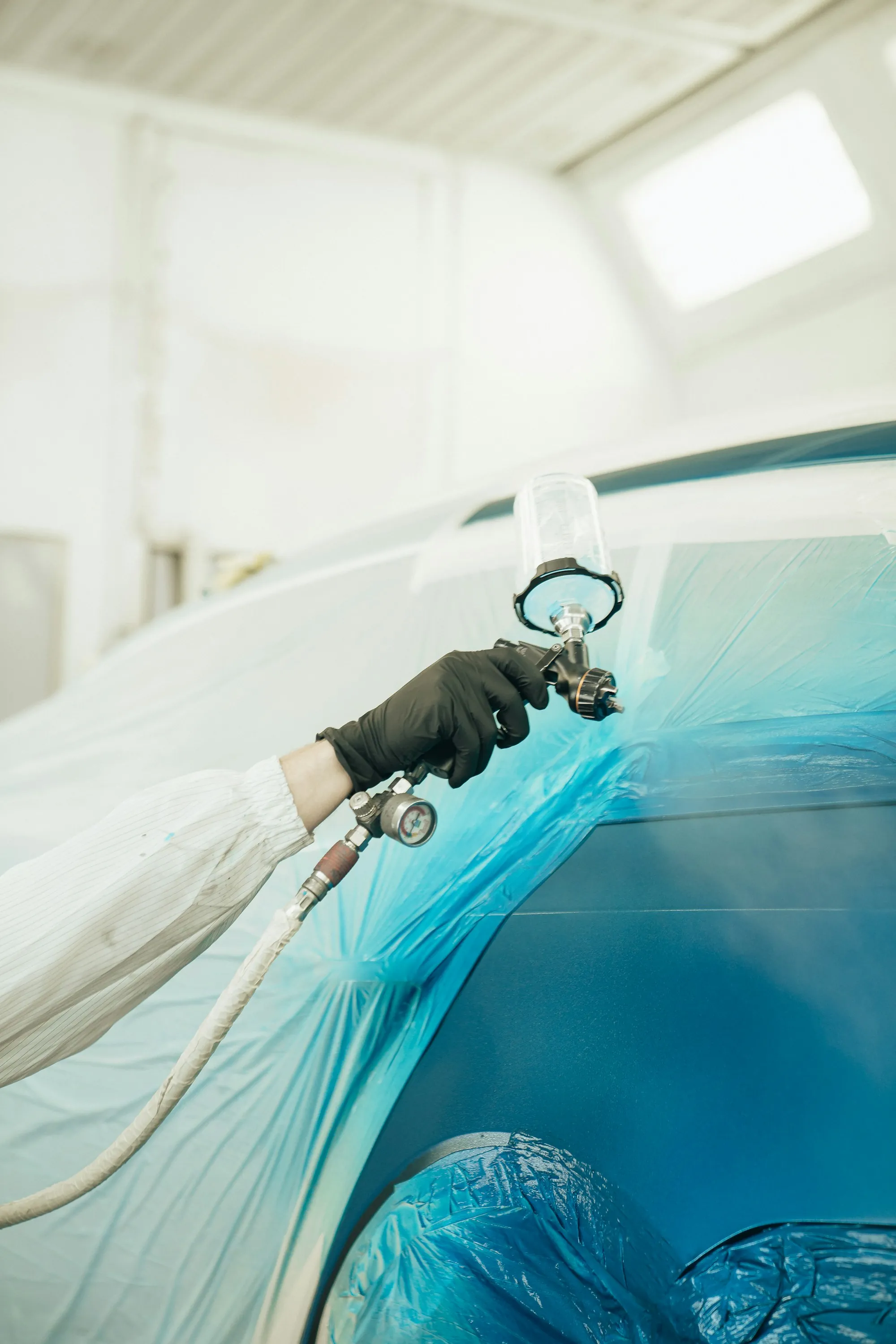
Paint is the part of a car people notice first, and on a well-kept car even a slight mismatch is hard to ignore. In our Parker shop, refinishing begins with the factory paint code and a set of test panels sprayed and compared with the car outdoors, because color looks different under the Texas sun than under booth lights. Everything that won't be painted is masked or removed, and the interior is sealed off with covers before the car enters the booth. Coats are applied in thin layers and allowed to cure properly before any polishing. If a panel is being replaced, we'll explain whether a factory part arrives primed or bare and how that affects the refinish. Whether the car lives on a quiet street off Dillehay Drive or commutes down US 75 to Plano, the finish is built to look right in every light.
What a Careful Refinish Includes
Good paint work is mostly preparation. Here is what each refinish involves before and after the spray gun.
Color variants researched
Most paint codes have several variants, so we identify the one that suits your car before mixing anything.
Test panels compared outdoors
Small sample panels are sprayed and held against your car outside, and the formula is adjusted until they agree.
Trim removed instead of taped
Where practical, moldings, handles and emblems come off so the paint edge sits where the factory's would.
A sealed and covered interior
Seats, dashboard and carpets are covered, and door openings are masked so no overspray reaches the cabin.
Preparation down to a sound surface
The existing finish is sanded, cleaned and primed as needed so the new paint bonds firmly and lies flat.
Thin coats in a clean booth
Basecoat and clear go down in controlled layers in a filtered booth to keep dust and runs away from the finish.
Blending into neighboring panels
Color is faded gradually into adjoining panels so there is no hard line where new meets original.
Hand finishing and review
Once cured, the surface is refined by hand and polished, then inspected with you outdoors at pickup.
Color, Coat and Polish
- I
Match the color first
We look up the paint code, confirm the variant and mix a test batch. Sample panels are sprayed and compared with your car in daylight. Adjustments continue until the match is right. Only then does the car go into preparation.
- II
Prepare and apply
The interior is covered, trim is removed and the surrounding areas are carefully masked. The surface is sanded, cleaned and primed where needed. Inside the booth, basecoat and clear are laid down thinly and evenly. Each coat is given time to flash before the next.
- III
Cure, refine and present
The new finish is cured fully before it is touched. Any texture is refined by hand and the panel is polished until its gloss agrees with the paint beside it. Trim is reinstalled and the car is cleaned. We then walk around the car with you in natural light.
Why Our Refinishing Blends In
Color is proven before it's sprayed
A test panel takes a little extra time and spares you from living with a near miss. The car only goes into the booth once the color is right.
Edges belong where the factory put them
Removing trim rather than masking around it means no visible tape lines. It's slower, and it looks better.
The cabin stays clean
Paint work can send fine mist into a car that isn't sealed. Covered seats and masked openings keep the interior just as you left it.
Thinking About Fresh Paint?
Tell us which panels concern you and what you'd like the finish to look like. We'll explain what a careful refinish would involve and how long the car would stay with us.
(000) 000-0000 — talk about color and finish