
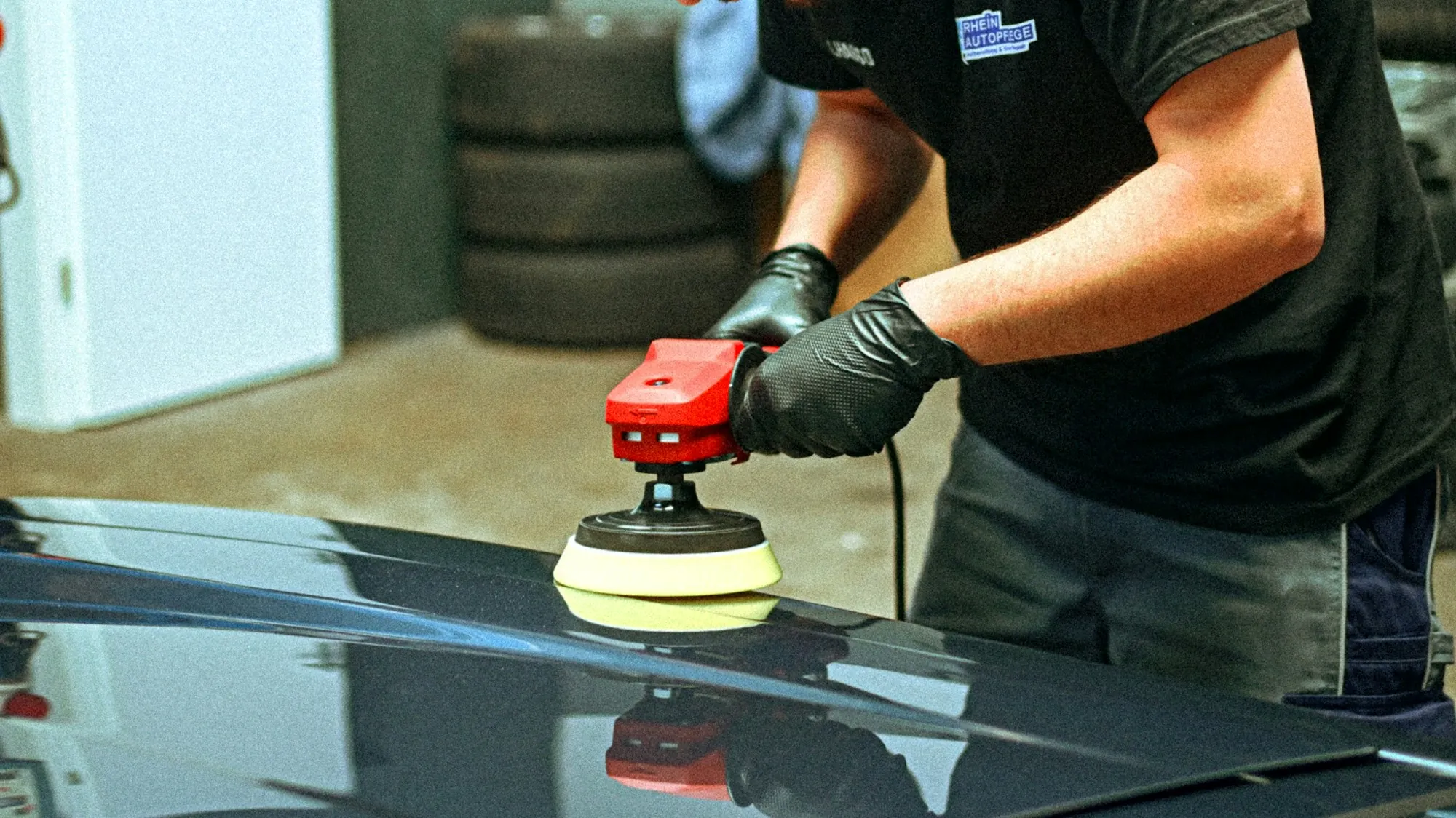
Paintless repair
Paintless Dent Repair in Parker That Preserves the Original Finish
The factory finish on your car can't be recreated perfectly. When a dent allows it, we leave that finish alone and move the metal instead.
Ask if your dent suits paintless repair — (000) 000-0000Keeping What the Factory Gave You
Paintless dent repair reshapes a panel from behind, using slender steel rods and a great deal of patience, without sanding or repainting. For a car you're proud of, that matters: the original paint is the one finish that will never need to be matched. It suits shallow dents with unbroken paint, such as a door ding from a crowded lot in Allen or a hailstone dimple picked up along Lewis Lane. Our Parker technicians read each dent against a reflection board and move the metal in hundreds of tiny pushes until the panel lies flat again. Where reaching behind the dent means removing a liner or tail lamp, it's done by hand and every clip is accounted for. If paintless repair isn't right for the dent, we'll tell you so before starting.
How Paintless Repair Is Carried Out
The tools are simple. The skill lies in knowing exactly where, and how gently, to press.
Honest suitability screening
We check the depth, location and paint condition of each dent and only proceed when rods and patience will leave a clean panel.
Protecting the paint around the dent
Nearby edges and trim are taped where tools will rest, so the finish we are preserving doesn't pick up new marks.
Careful access from behind
Interior trim, lamps or liners are eased out by hand when needed, with fasteners bagged and labeled for reassembly.
Reading the panel in reflection
A lined reflection board shows the smallest high and low spots, guiding each push of the rod.
Hundreds of light pushes
The metal is coaxed back gradually rather than forced, which keeps the paint from cracking and the panel from overshooting.
Tapping down the high spots
Any crown around the dent is gently knocked down so the surface reads perfectly level.
Glue pulling where rods can't reach
On sealed areas such as roof rails, a specialty adhesive tab lets us draw the metal up from the face of the panel, sparing the finish.
Inspection from several angles
The panel is checked under different lights and then shown to you, so you can see for yourself that the dent has gone.
How a Ding Disappears
- I
Light it and decide
The dent is examined under a reflection light to judge its depth and whether the paint is stretched. We explain whether paintless repair suits it and what result to expect. If it doesn't qualify, you'll hear about the alternatives. You only proceed when you're confident in the plan.
- II
Reach behind and reshape
With the surrounding paint protected, we locate a path behind the panel, removing trim by hand if necessary. The rod work begins slowly, guided by the reflection board. Raised spots are leveled with a knockdown tool as the low area comes up. The process continues until the surface reads flat from every angle.
- III
Reassemble and review together
Any trim removed for access is reinstalled and checked for fit. The panel is wiped down and inspected in natural light. During the walk-through, we show you where the dent was and invite you to look closely. The aim is that you'll struggle to find the spot afterward.
Why Owners Choose the Paintless Route
The finish stays factory
Without sanding, filler or fresh paint, the panel retains the finish it was born with. That is hard to improve upon.
Fewer parts disturbed
Because there's no refinishing, less of the car has to be taken apart. Less disassembly means fewer chances for anything to be disturbed.
We'll tell you when it won't work
Paintless repair has limits. If a dent has cracked paint or sits on a sharp edge, we'll recommend a different approach rather than risk the panel.
Noticed a New Ding on the Door?
Give us a sense of its size and position, and we can usually tell you whether paintless repair is likely to suit it. It's a short, relaxed conversation.
(000) 000-0000 — ask about removing a ding