
Electric and hybrid
EV & Hybrid Collision Repair in Parker With a Measured Approach
A battery car's collision repair has two halves: the high-voltage safety work nobody sees and the bodywork everybody does. We give each its full attention.
Talk through your EV or hybrid repair: (000) 000-0000Before the Bodywork, the Battery
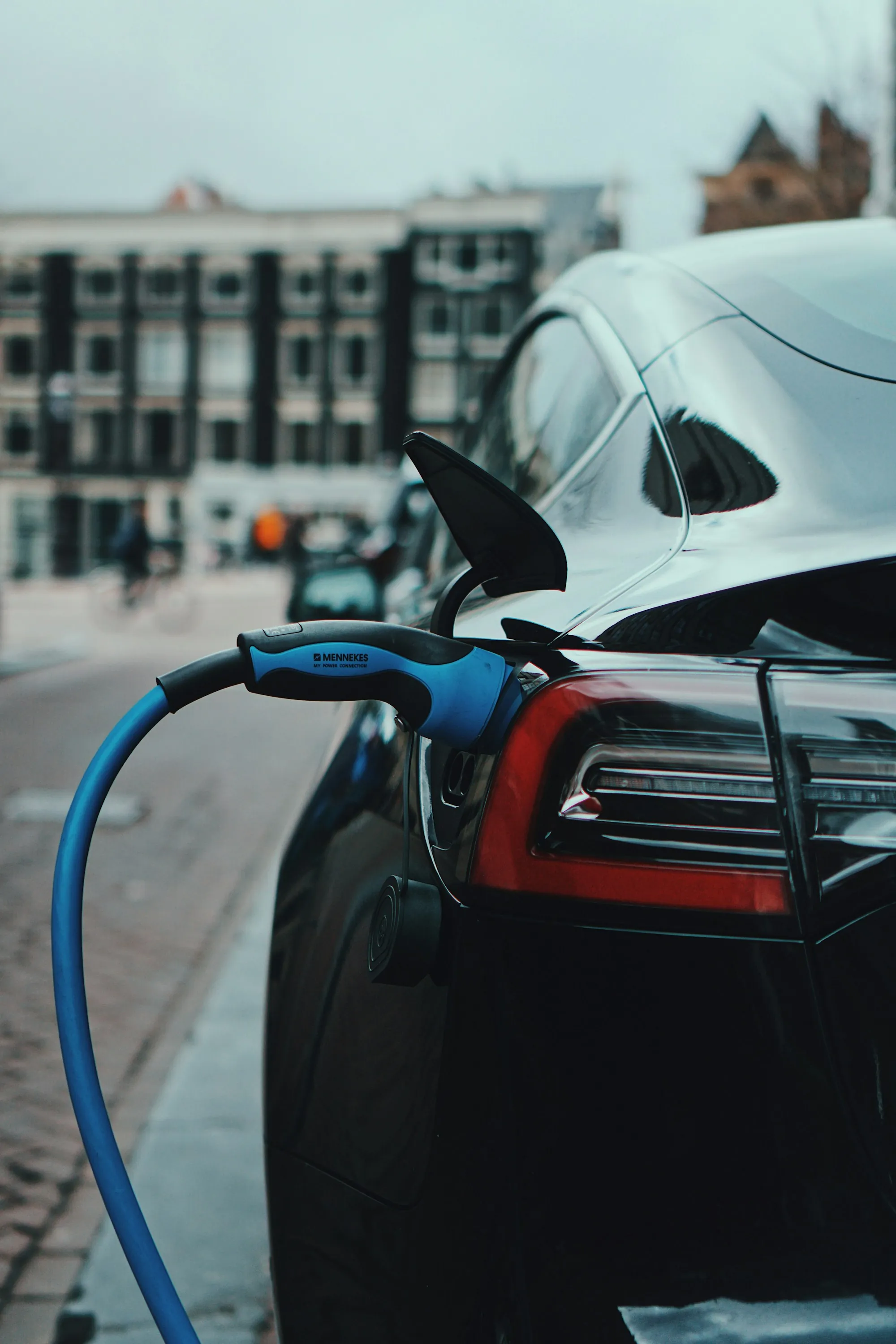
Electric and hybrid cars are increasingly common in the garages along Dillehay Drive and out toward Lucas, and after a collision they need a few extra steps before anyone reaches for a panel. The high-voltage system is shut down using the manufacturer's sequence, and the battery enclosure is inspected for any sign that it absorbed part of the impact. Lift points are chosen to avoid the pack, and paint is cured at temperatures the battery can tolerate. None of that shows when you pick the car up, yet it is where much of the care goes. The visible half matters just as much: panels fitted evenly, paint matched and the cabin returned clean from under its protective covers. We also explain the parts list up front, since many EV body and sensor parts come only from the original manufacturer. You'll know what is going on the car, and why, before work begins.
What a Battery Car Receives Here
The list below covers the extra steps electric and hybrid cars need, alongside the usual body and paint work.
High-voltage system taken offline
Service disconnects and power-down are handled in the sequence the manufacturer publishes, with verification before work starts.
Rated equipment near live parts
Anyone working close to high-voltage components uses insulated tools and gloves rated for that system.
Battery enclosure inspection
The underside is examined for scrapes, dents or fluid near the pack, since a hit there can be easy to miss.
Wiring near the point of impact
High-voltage cables and connectors near the damage are checked for chafing, crushing or loose fittings.
Cooling circuit look-over
Battery and inverter cooling lines are checked for leaks, because a slow leak can cause trouble long after the repair.
Careful lifting
The car is raised only at points the maker approves, keeping weight off the battery case.
Booth settings chosen for the pack
Paint is cured at temperatures the battery can tolerate, which can mean a longer cure for the same finish.
Power-up and a full scan
Once the body is finished, the system is re-energized step by step and every module is scanned before the walk-through.
The Order We Follow With Electric Cars
- I
Make it safe, then look closely
When the car arrives, it is identified, isolated and powered down according to its procedure. We then inspect the body, underside and battery area and photograph what we find. You'll hear what was damaged and what was spared. The parts list, including any manufacturer-only items, is discussed before ordering.
- II
Rebuild the body around the battery
Structural work, panels and paint proceed much as they would on any car, with added limits on heat and lift points. Seats, floor and steering wheel stay covered. If a high-voltage component needs replacing, it is handled under the maker's instructions.
- III
Wake it, test it, walk you through it
The system is brought back online carefully and scanned. A road test along Murphy Road confirms the car drives as it should, and we check that it accepts a charge. At pickup we show you the repaired areas and mention anything worth keeping an eye on.
Why Battery-Car Owners Settle In Here
Safety work done in sequence
High-voltage steps aren't improvised. They follow the published procedure every time, in order.
The finish still gets full attention
Safety comes first, but it never excuses uneven gaps or a mismatched door. The body is held to the same standard as everything else.
Questions welcome
Battery cars raise new questions. We're glad to answer them in plain terms, whether you're picking up or simply calling ahead.
Not Sure How a Battery Car Gets Repaired?
That's a fair question, and we'd rather answer it before the car arrives. Share the make and the damage, and we'll explain the steps involved.
(000) 000-0000 — questions about your EV or hybrid