
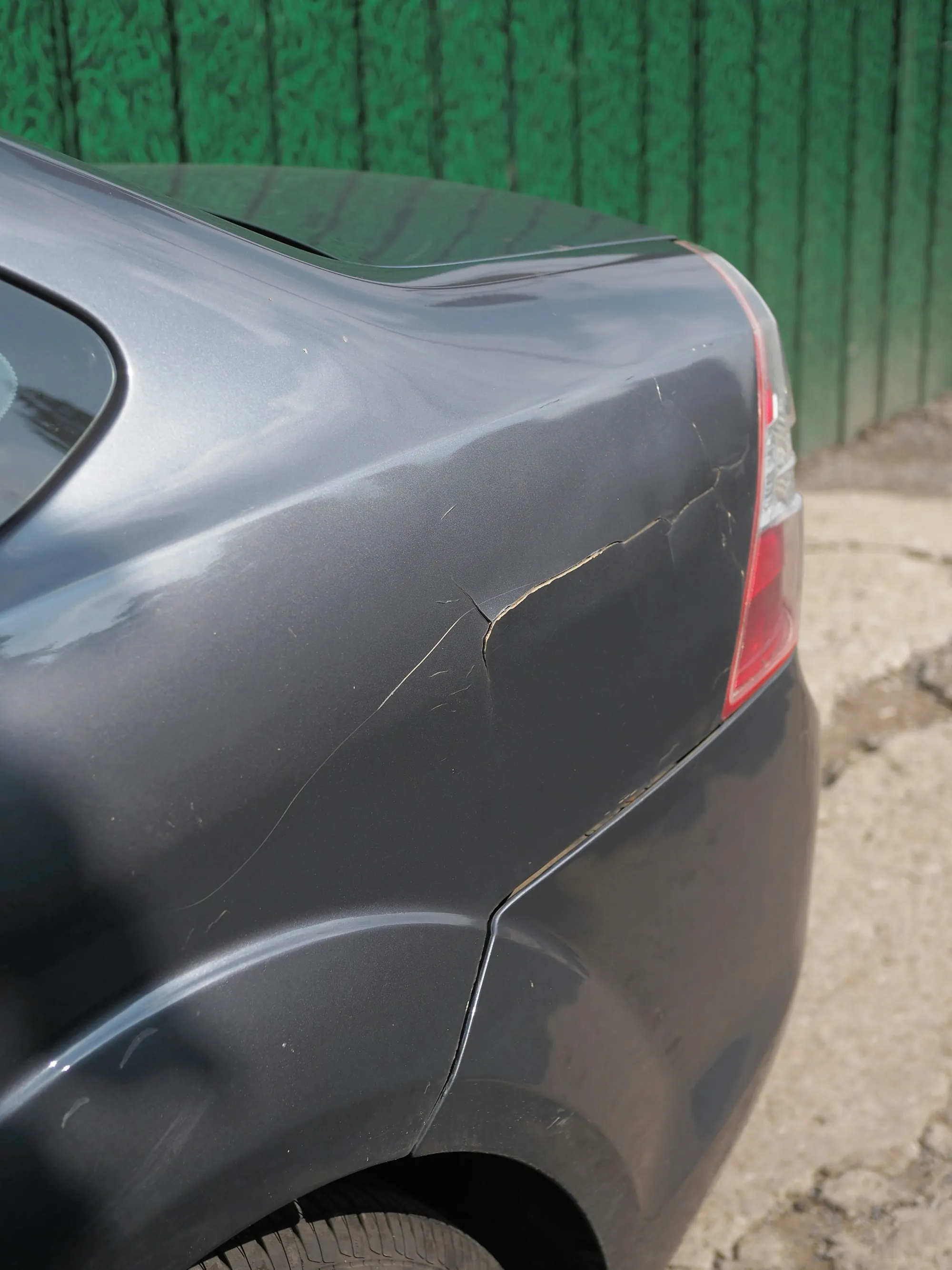
Marks in the finish
Paint Scratch Repair in Parker, Measured to the Depth of the Mark
A scratch from a hedge on Lewis Lane may polish away. A key mark through to primer needs more. We find out which before we start.
Tell us how deep the scratch looks — (000) 000-0000A Scratch Is Only as Serious as Its Depth
Modern paint is a thin system of primer, color and clear coat, and a scratch can stop in any of those layers. On a car you take pride in, the goal is to correct the mark while removing as little of the original finish as possible. Our Parker technicians begin by measuring paint thickness and examining the scratch closely, because the right repair depends entirely on how far down it goes. Marks confined to the clear layer can usually be refined and polished out. Deeper scratches may need careful filling or a small refinish, blended so it can't be traced. The interior is covered even for small jobs, and you'll see the result with us in daylight before you leave.
The Range of Scratch Repairs We Offer
Not every scratch needs paint. These are the methods we choose between, from the gentlest upward.
Thickness measured first
A thickness gauge shows how much clear remains, so polishing never thins the finish beyond a safe margin.
Close study under magnification
We examine the scratch closely to see whether it has reached color, primer or bare metal.
Hand refining of light marks
Surface marks are refined gently by hand or machine, working no wider than the mark itself.
Measured machine polishing
A soft polishing step restores clarity to the clear coat, with readings checked as we go.
Precise fill for narrow scratches
Narrow, deep scratches are filled using matched paint applied in tiny amounts and leveled carefully.
Spot refinish for deeper damage
When the scratch reaches primer or metal, a small, carefully blended refinish restores protection and color.
Full panel refinish when wiser
Long or repeated scratches across a panel are sometimes best refinished whole, and we'll explain why if so.
A final look in natural light
The repaired area is checked outdoors from several angles, then pointed out to you during the walk-around.
Finding the Right Repair for the Mark
- I
Measure and examine
The scratch is cleaned, lit from different angles and measured with a paint gauge. We explain which layer it reached and what that means for the repair. You'll hear the gentlest option first, along with any more involved one. Nothing begins until you've chosen.
- II
Correct with restraint
With the surrounding finish protected and the cabin covered, we begin at the mildest level of correction. Progress is checked often so no extra paint is removed. If the mark resists polishing, we pause and talk with you before moving to a fill or refinish. Restraint is the point of this stage.
- III
Inspect and hand back
The area is cleaned and studied in natural light, and gloss and color are compared with the paint around it. Whether it was a garage-door scrape at home in Fairview or a shopping-cart mark, you'll see exactly where it was during the walk-through. You leave knowing what was done to your paint.
Why We Treat Scratches Conservatively
Clear coat is finite
Each polishing pass takes a little of the protective layer with it. We use only as much correction as the scratch truly needs.
Original paint comes first
A polished original finish is preferable to a perfect refinish. We only add paint when the scratch leaves no better choice.
You choose the level of repair
We'll explain what each option can achieve. Some owners prefer a subtle improvement, others want the mark gone entirely.
A Mark That Keeps Catching Your Eye?
Let us know where the scratch sits and whether you can feel it with a fingernail. That small detail helps us suggest the gentlest repair likely to work.
Talk through the scratch with us — (000) 000-0000